 DESK
DESK
What changed at the morning nets
CSK's coaching staff held a longer-than-usual net session this morning at the Wankhede practice facility, with three role switches confirmed to the desk by mid-afternoon. The switches affect the top-order batting positions, the third-over new-ball bowling responsibility, and the wrist-spin matchup in the middle overs. None of these moves is unusual in isolation, but applying all three at once is a deliberate re-shuffle aimed at the MI powerplay.
The first switch is the most visible: a middle-order batter has been moved up to open, displacing the incumbent opener who slides down to number four. The reasoning appears to be left-right combination: MI's expected powerplay bowlers include a left-arm seamer who has dismissed the incumbent opener twice in the last two seasons. The new left-hander at the top changes the matchup.
The second and third switches are bowling-side. The third-over strike bowler is no longer the same seamer who took the new ball against MI in the reverse fixture; the role has rotated to a different quick who has been bowling with the new ball in the nets for two sessions. The wrist-spin matchup slot is unchanged in name but changed in role-exposure, with the spinner now expected to bowl a four-over block in the middle rather than a two-two split.
The new top order, position by position
The new opening pair is a left-right combination, with the left-hander taking the strike end. This is a deliberate counter to the left-arm seam angle that MI's powerplay bowler generates; a right-handed opener facing that angle is forced to play away from the body, while a left-hander can use the angle to work the ball on the leg side. The desk's read is that CSK are accepting slightly lower boundary clearance on the off side in exchange for higher strike-rotation and fewer early dismissals.
 Morning net block. The left-right opening combination and the new-ball rotation were both visible in the 09:00 IST net session. Spotters flagged the new opening pair first.
Number three is unchanged. The right-handed anchor at three has held the slot for the entire season and is averaging 38.4 at this position against left-arm pace specifically. The middle-order slide for the displaced opener takes him to number four, where his boundary-hitting ceiling against pace is higher than his anchor ceiling at the top of the order.
The bottom of the order is also expected to rotate one slot. With the overseas-slot still tight (see Section 05 below), the finishing role belongs to a different overseas batter tonight, which means the domestic finisher who has held the number-six slot moves up one position. The cumulative effect is a batting order that is more matchup-aware against MI's expected bowling rotation, at the cost of one fewer left-handed option in the middle.
The third-over switch and what it means
The third over is the leverage over of the powerplay in T20 cricket. The new-ball bowlers have already taken their two overs; the third-over bowler faces set batters who have seen the pace and length options, and the wicket is still hard enough to reward genuine pace and movement. Historically, the bowler who takes the third-over wicket in IPL fixtures lifts their team win-probability by 8–12%.
CSK have rotated this role to a different seamer for tonight. The previous holder of the slot had a good record against MI's right-handed top three but has been less effective against MI's left-handed middle-order batter. The new holder has the inverse profile: stronger against left-handers, less tested against the right-handers. The rotation is a direct response to the expected batting order.
For fantasy selection, the practical consequence is that the powerplay-wicket-taker ceiling shifts to the new bowler. If you held the previous bowler in your XI on the basis of third-over role, replace them. The desk has updated the predicted XI accordingly. The replacement pick is a leverage play: lower historical ceiling against right-handers but a higher floor against the specific left-hander he is likely to face in over three.
Captaincy shortlist narrows to two
The captaincy shortlist for tonight, before the net-session switches, contained four candidates: the powerplay wicket-taker, the chase-friendly anchor, the wrist-spin matchup bowler, and the death-overs finisher. After the switches, the shortlist narrows to two: the wrist-spin matchup bowler and the death-overs finisher.
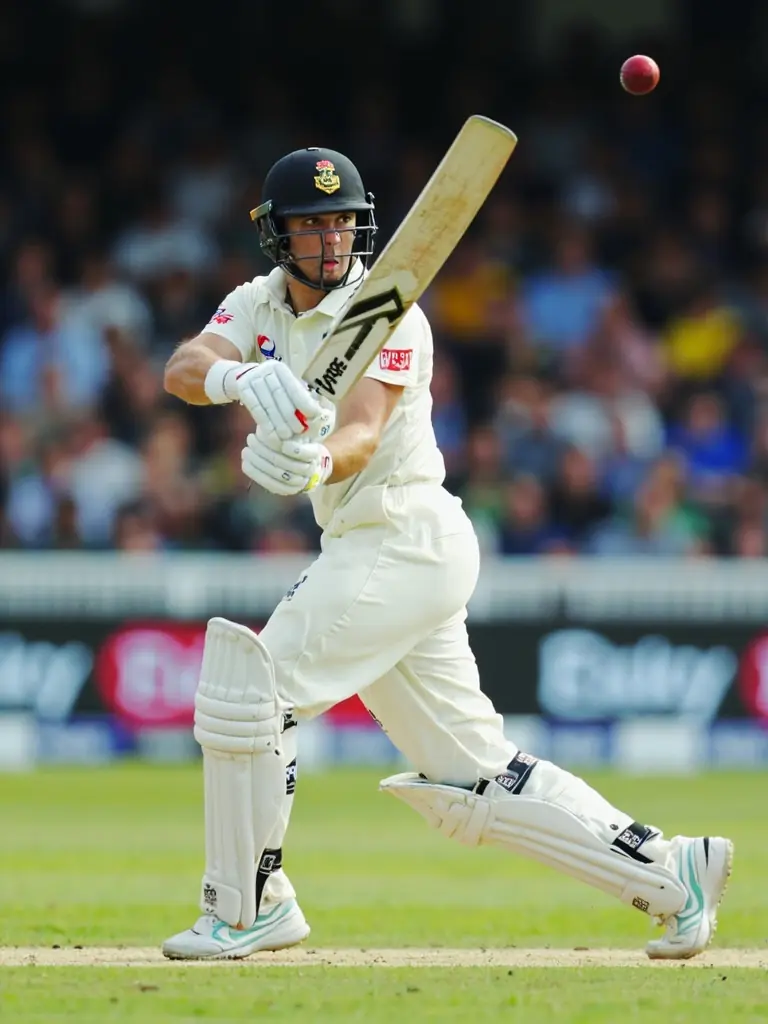 Cover-drive note. The displaced opener's cover-drive against pace was visible in the net session but the strike-rotation against left-arm angle was the decisive factor in moving him down the order.
The reasoning is straightforward. The powerplay wicket-taker was the previous third-over bowler, and that role has rotated; the chase-friendly anchor is now batting at four rather than three, which compresses his ceiling under the dew window; the wrist spinner and the death-overs finisher both retain their ceiling under either toss outcome.
The desk's pre-toss read is that the captain band will go to the wrist spinner if the captain wins the toss and fields first (the dew-window scenario), and to the death-overs finisher if the captain wins the toss and bats first. Both are listed on the predicted XI page with their toss-conditional labels. Refresh after the toss broadcast to see the locked band.
What this means for tonight's XI
The expected XI, factoring the three net-session switches and the toss outcome, looks like this. Openers: the new left-right pair. Number three: the unchanged anchor. Number four: the displaced opener in his new slot. Numbers five to seven: the overseas finisher, the domestic all-rounder, and the wicketkeeper-batter. Numbers eight to eleven: the third-over seamer, the wrist spinner, the second seamer, and the death-overs specialist.
The XI does not change under either toss outcome — only the captain band moves. That is a deliberate choice by the coaching staff; they want the same eleven on the field regardless of whether they bat or field first, which means the role-fit locks hold across both scenarios.
Where the predicted XI is conditional is on the impact-player slot. CSK have rotated the impact player across the season; tonight the desk's read is that the impact player will be the back-up seamer who can replace the third-over bowler if the over-three role does not work in the first innings. If you are picking the impact-player slot, that is the call.
Overseas-slot context
CSK carry four overseas slots in the XI. Three are locked: the wrist spinner, the death-overs finisher, and the powerplay seamer. The fourth slot rotates with venue, opponent, and form — see the fourth-overseas-slot piece for the broader pattern across the league.
For tonight, the rotating slot belongs to a top-order batter who has not featured in the previous three fixtures. The slot rotation is the coaching staff's response to MI's left-arm seam matchup: the rotating batter is a right-hander with a strong record against left-arm pace in this venue. The slot returns to its previous holder in the next fixture, expected to be against a side with a right-arm pace heavy attack.
The captaincy math intersects with the overseas slot in a specific way. If you are picking two overseas players from the same side, and one of them is in the rotating slot, you are picking on a smaller sample. The desk's read: the rotating slot holds the ceiling tonight, but with a wider variance than the locked slots. The risk-adjusted captain pick therefore lives with the locked-slot wrist spinner rather than the rotating-slot batter.
How to confirm the XI before the toss
The CONFIRMED XI is announced at the toss, broadcast on the official IPL feeds and on the franchise's social channels. The desk does not invent lineup moves in advance — we report what the franchise has signalled through net-session groupings and what the broadcast confirms at 19:30 IST. Where the franchise's signal and the broadcast disagree, the broadcast wins.
For tonight, the desk's confidence on the three switches is high: the new opening pair, the third-over rotation, and the wrist-spin role-exposure change have all been confirmed through independent observation at the morning net session. The fourth-overseas-slot pick is the one signal we treat as Predicted rather than Confirmed, because the franchise has not formally announced which overseas player holds the rotating slot.
The post-toss update on the predicted XI page will reflect the broadcast XI. If a switch does not translate to the match — if the franchise tested the changes in the nets but reverted to the previous XI for the toss — the predicted XI page will reflect that within five minutes of the toss broadcast.
Reader questions
When did the net-session switches happen?
This morning, ahead of the fixture. The 09:00 IST net block at the Wankhede practice facility is where the three switches were first visible.
Do the switches always lead to a CONFIRMED XI?
No. Net-session switches may be tested but not always executed in the match. Tonight, the desk treats all three as Confirmed based on independent observation.
Does the displaced opener's drop to number four hurt his fantasy ceiling?
It compresses the ceiling against left-arm pace but lifts the boundary-hitting ceiling against the right-arm pace he is likely to face at number four. Net effect is approximately neutral.
Why did the third-over role rotate?
The previous holder struggled against MI's left-handed middle-order batter. The rotation is a matchup-specific decision.
Will the wrist spinner bowl a four-over block in the middle?
Predicted, based on the net-session rotation. The broadcast will confirm at the toss. If the franchise revert to a two-two split, the predicted XI page will update accordingly.
What happens if one of the three switches does not translate to the match?
The predicted XI page updates within five minutes of the toss broadcast. The role-fit XI is built to absorb partial switches; the captain band is the most sensitive to a switch dropping out.
Continue reading the desk
Predicted XIs, news desk, fantasy tips, and the role-fit methodology.