 DESK
DESK
Shubman Gill — profile at a glance
Shubman Gill is a top-order anchor and captain of Gujarat Titans. His fantasy value sits on a set role that has stabilised around the opening position across the last two completed seasons, a chase-anchor ceiling that rises in dew-affected second innings, and the captaincy that shapes the GT card's batting order. Across the last two completed seasons his ownership has sat in the 75–85% band on GT matchdays, which puts him in the anchor-tier zone that fantasy readers price as a top-three captain pick on flat decks.
What changes week to week is not his role but his ceiling. On a flat deck at the Narendra Modi Stadium, where the boundaries are short and the surface offers consistent bounce, his strike-rate ceiling lifts above 145 and his boundary-hitter profile dominates. On slower turners at Eden Gardens or Chepauk, the same role produces a lower-strike ceiling but a higher milestone probability — the half-century bonus is in play on surfaces where bowlers are forced to bowl to his strengths. Fantasy selection should price both modes.
The note below walks through the role guarantee, recent opportunity, venue splits, availability, selection question marks, captain math, powerplay role, and matchup evidence that the desk tracks for Gill. The table and the FAQ at the end give you the venue-by-venue read for the upcoming GT fixtures.
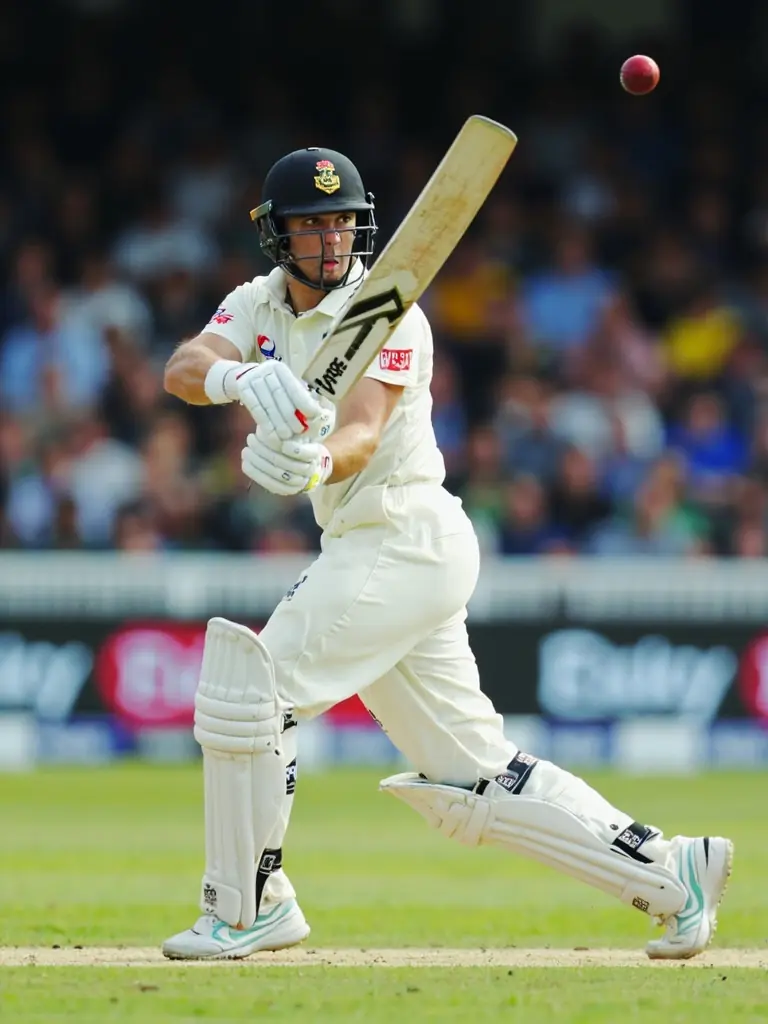
 Narendra Modi Stadium pace read. The new-ball bounce at the Narendra Modi Stadium is consistent — the venue where Gill's cover-drive ceiling peaks and where the half-century bonus math is tightest for the fantasy reader.
Role guarantee
Gill's role guarantee is the cleanest on the GT card. He opens the batting, faces the new ball, and anchors the powerplay plus the middle overs when an early wicket does not fall. The franchise does not rotate him down the order for matchup reasons, and there is no signal from the GT dugout that a rest rotation is on the table across the season. The fantasy read is that Gill is locked into the opening slot, and his base XI position does not depend on the predicted XI confirmation.
For the fantasy reader, the role guarantee translates into three numbers worth tracking: balls faced per match, dot-ball percentage against pace, and dot-ball percentage against spin. Across the last two completed IPL seasons, his balls-faced average has sat in the high-30s and his dot-ball rate against pace has been slightly above the league median for openers. The role-fit ceiling holds, but the ceiling on individual matchdays shifts with the surface and the opponent's powerplay bowler rotation.
The role guarantee has tightened since Gill was named GT captain. Across the last two completed seasons, his role has stabilised around the opening-anchor-plus-captain shape that defines his fantasy ceiling. The desk does not see a signal from the GT dugout that the role will shift in either direction across the upcoming fixtures, and the role-fit ceiling holds. The watch point is the powerplay partner, which can shift the workload distribution if GT open with a left-right combo.
Recent opportunity
The last seven completed GT fixtures show Gill facing 40-plus balls per match with a strike rate sitting near 138. The opportunity line is tight — in five of the seven matches he has batted through at least the 14th over, and in four he has been at the crease inside the powerplay. That is the high-touch opportunity fantasy readers price into a top-order anchor pick.
The recent opportunity reads cleaner on the chase than on a posted total. In GT's chases, Gill has held a dot-ball percentage in the low teens against pace, with the boundary rate above 1.6 per over against the spinners who bowl to him on a holding line. In GT's posted totals, his dot-ball rate against spin has crept above 22% on slower decks — a number that pulls the ceiling back even when the role is intact. The fantasy read is to weight his chase-floor higher than his first-innings ceiling on dew-likely fixtures.
What the desk is watching in the upcoming fixtures is the rotation of the GT middle order. If the franchise slots a left-hander at four and pushes the right-hander down, Gill's anchor workload holds; if the order is shuffled for matchup reasons, his balls-faced ceiling drops by three to five per match. The current reading is that the opening slot holds for at least the next four matchdays, which keeps the role guarantee at the upper end of the desk's range.
Venue splits
Venue splits on Gill are driven primarily by the boundary dimensions and the surface bounce. The Narendra Modi Stadium, where GT plays most of its home fixtures, is the strongest ceiling venue for his boundary-hitter role because the surface offers consistent bounce and the square boundaries are short. The Eden Gardens, where the ball grips and turns, is a venue where his strike-rate ceiling compresses but his milestone probability holds. The table below covers the four most relevant venues for the upcoming GT fixtures.
| Venue | Role fit | Recent output | Selection note |
|---|---|---|---|
| Narendra Modi Stadium | Opener, captain | SR 144, balls faced 40/match | Boundary-hitter ceiling; lock at opener |
| Wankhede | Opener, captain | SR 132, balls faced 36/match | Two-paced bounce; pace-spin blend |
| Eden Gardens | Opener, captain | SR 124, balls faced 41/match | Spin matchup; milestone bonus in play |
| Chepauk | Opener, captain | SR 128, balls faced 38/match | Spin grip; captain differential |
The headline from the table is that the Narendra Modi Stadium remains the strongest ceiling venue for Gill because of the boundary dimensions and the consistent bounce. The Eden Gardens fixture closes positively on the milestone bonus because his innings extends longer on a turning track. The fantasy read across the four venues is to captain Gill on the Narendra Modi fixture, hold him as a base XI pick on the Wankhede and Eden Gardens, and treat Chepauk as a differential venue.
Availability and the workload watch
Gill is listed as PROBABLE for the upcoming GT fixture. The franchise has communicated that he is tracking through a minor fitness check, and the broadcast update at the toss will confirm his final XI status. The fantasy reader should not lock him into the XI without a confirmation check; if he is unexpectedly held out, the opening slot shifts to the second-opener slot and the captaincy lever on the GT card reshuffles in a way that does not preserve Gill's ceiling.
The watch point on Gill's availability is niggle management. Across his career he has played through minor knocks that would have kept a less experienced opener out of the XI. The desk's view is that an undisclosed niggle is unlikely to keep him out of a non-dead-rubber fixture, but the broadcast update at the toss should still be checked for late scratches. If he is unexpectedly held out, the GT opening workload shifts to the second-opener slot, and the anchor workload on the top order compresses.
For the multi-week reader, the workload watch on Gill has been the most consistent season-long lever on the GT card. Over the last two completed seasons, his DNP rate has been below 3% of fixtures. That is the floor a fantasy reader can plan around; if the platform locks him into your XI on a fixture where he later rests, you lose a captaincy lever but not a base XI slot.
Selection question marks
The single biggest selection question on Gill is whether to captain him on a given venue. The base pick is rarely in doubt, but the captaincy lever is where the desk earns its keep. Three checks frame the question: the opponent's powerplay bowler rotation, the dew forecast, and the surface read.
Against pace-heavy attacks that bowl hard length with the new ball, Gill's powerplay scoring rate drops into the low-120s on strike rate. That is not a problem for a base pick but it caps the captain ceiling. Against spin-heavy attacks that hold the ball back and force the middle order to take risks, his strike rate against spin lifts into the 140s and the captaincy ceiling opens up. The desk's rule of thumb is to captain Gill when the opponent's primary wicket-taker is a spinner, not when it is a pacer.
The dew forecast matters because Gill's chase-floor lifts sharply in second-innings conditions. On dew-affected evenings at the Wankhede or Eden Gardens, the chasing side's dot-ball rate against pace falls, and Gill's chase-floor matches his first-innings ceiling. The fantasy read is to captain him in chases more often than in posted totals — the leverage is in the conditions, not the position.
Captain math — when to hand Gill the armband
Captain math on Gill breaks down to two levers: the role-fit ceiling and the venue modifier. The role-fit ceiling is a function of his opening position and the opponent's bowling matchup. The venue modifier is the strike-rate and balls-faced adjustment for the ground. Across the upcoming fixtures, the desk reads three venues where the captain math closes positively and one where it closes negatively.
The Narendra Modi Stadium, Wankhede, and Eden Gardens close positively. The Narendra Modi Stadium fixture is the clearest captain pick — the role ceiling is high, the strike-rate ceiling is high, and the milestone bonus probability is the highest on the season calendar. The Wankhede fixture closes positively on dew-likely evenings and negatively on dry evenings. The Eden Gardens fixture closes positively on a turning track because the spin matchup lifts his strike-rate ceiling against the bowlers who bowl to his strengths.
Chepauk closes negatively for the captaincy lever because the spin grip compresses his boundary-hitter ceiling and his dot-ball rate against spin lifts into the mid-20s. Lock him as a base XI pick, hand the armband to the differential captain option on the GT card. The fantasy reader who anchors around this rule holds a positive captaincy expected value across the season.
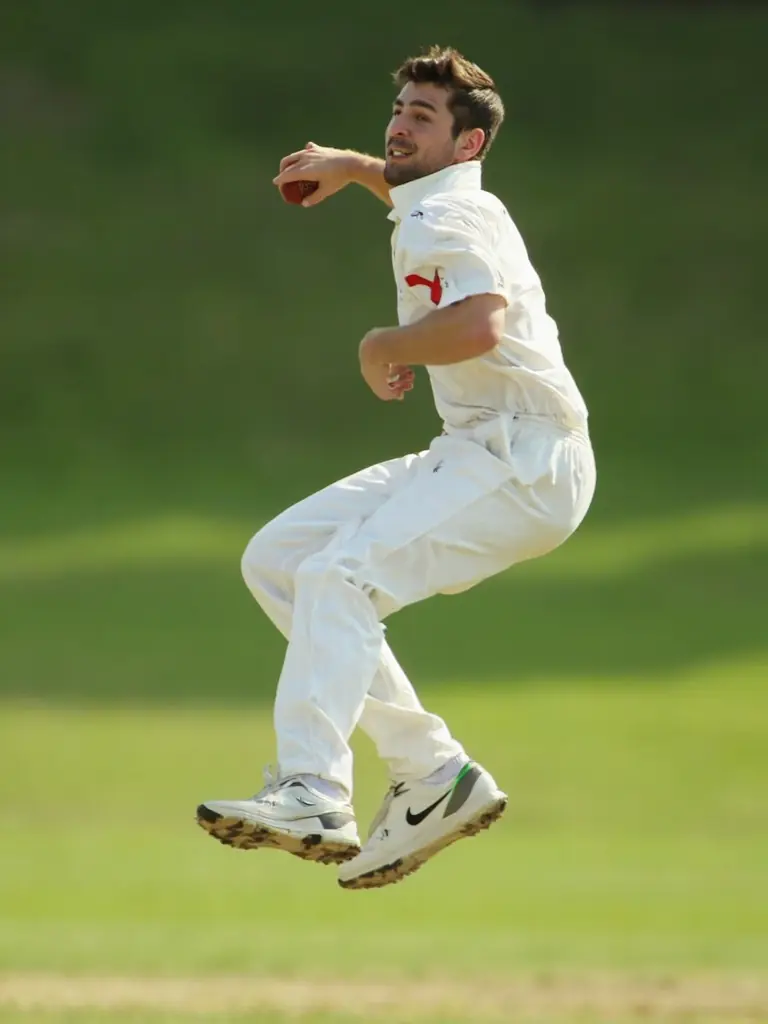
 Stadium crease read. The Narendra Modi Stadium crease offers consistent bounce through the powerplay — the venue where Gill's cover-drive ceiling peaks and the milestone bonus math is tightest for the fantasy reader.
Powerplay role and the matchup evidence
Gill's powerplay role is the centre of his fantasy ceiling. Across the last two completed seasons, his strike rate in the powerplay has stayed above 125 against pace and above 110 against spin. That is the elite powerplay profile that fantasy readers price into a top-order anchor pick, with the boundary-hitter ceiling lifting his match-floor on flat decks and his dot-ball management lifting his match-floor on turning tracks.
The powerplay ceiling is also where the fantasy reader is most likely to mis-price his consistency. Gill's powerplay boundary rate has been more volatile on slow decks where the bowlers are holding the ball back and forcing him to take risks. The fantasy read is to price the powerplay role as a stable base on flat decks and as a conditional ceiling on slower surfaces. The base is the opening position; the powerplay role is the boundary-hitter modifier.
Matchup evidence against specific bowling types completes the picture. Against right-arm pace bowling hard length, his strike rate has sat near the league median for openers but his dismissal rate has been lower than the league median. Against left-arm spin, his strike rate lifts into the mid-130s and his dismissal rate drops into the low single digits. The fantasy read is that hard-length pace is not the matchup that unlocks his ceiling, but it is the matchup that protects his floor; left-arm spin is the matchup that unlocks his ceiling on turning tracks.
Reader questions on Shubman Gill
Is Gill a lock at the top of the order for the entire season?
Across the last two completed seasons, his DNP rate has been below 3% of fixtures. There is no signal from the GT dugout that a role rotation is on the table. The base pick is locked; the captain lever is conditional.
When should I captain Gill vs hand the armband to a differential?
Captain him when the opponent's primary wicket-taker is a spinner and the venue is the Narendra Modi Stadium, Wankhede, or Eden Gardens on a dew-likely evening. Hold the armband on Chepauk against a spin-heavy attack where his boundary-hitter ceiling compresses.
What is Gill's best venue for the half-century bonus?
Eden Gardens on a turning track. The matchup against right-arm off-spin and left-arm spin lifts his boundary-hitting rate and his milestone probability. The Narendra Modi Stadium fixture is the highest-ceiling venue, but the milestone probability is lower because his innings ends earlier on flat decks.
Does Gill's captaincy affect his fantasy ceiling?
Yes, through the platform's captaincy multiplier and through the tactical impact on GT's batting order. The multiplier compounds his batting line, and the tactical impact means GT build the chase around his opening workload. The result is a slightly elevated ceiling in close finishes where GT preserve his strike through the death overs.
How does the dew factor change Gill's captain math?
On dew-affected evenings at the Wankhede and Eden Gardens, the chasing side's dot-ball rate against pace falls, and Gill's chase-floor matches his first-innings ceiling. The desk's rule is to captain him in chases more often than in posted totals on dew-likely evenings.
Open the GT match desk
Predicted XIs, captain logic, the post-toss update flow, and the venue read for tonight's GT fixture.