 RETRO
RETRO
The Friday forecast and the toss that decides the order
On 3 July 2026, with the first T20I abandoned after India had posted 189, the preview desk filed its read on the second match of the series at Emirates Old Trafford in Manchester. The fixture was scheduled for Saturday, 4 July, with a listed 7:00 PM IST start. Nitish Kumar Reddy had already been ruled out of the T20I leg with a left quadriceps injury, and Suryansh Shedge had been confirmed as the travelling replacement. Those two facts — the wash-up from game one and the change in India's squad — shaped every projection that followed.
Old Trafford offered a particular kind of contest: a surface that has favoured batting while still leaving bounce and early swing for fast bowlers, and a Manchester forecast that suggested a 25 percent chance of match-day precipitation with temperatures around 20 degrees Celsius and mostly overcast skies. Both captains had reason to prefer the chase; both had reason to bat first if the overheads hardened at the toss. The preview assigned India a 75 percent win probability against England's 25, but the desk noted that probability was contingent on the toss, the wicket behaviour in the first three overs, and the dew window after the innings break.
What follows is the editorial reconstruction of that pre-match file: the predicted XIs published in the source preview, the venue reading, the weather note, the head-to-head figures, the captaincy scenarios, and the question fantasy desks would have carried into Saturday morning. The article is filed retrospectively; the events are historical, the desk's analysis is preserved as it stood at the time of publication, and the conclusions remain useful as a study of how venue and squad shape a T20I prediction.
India's predicted XI — the Suryansh Shedge replacement
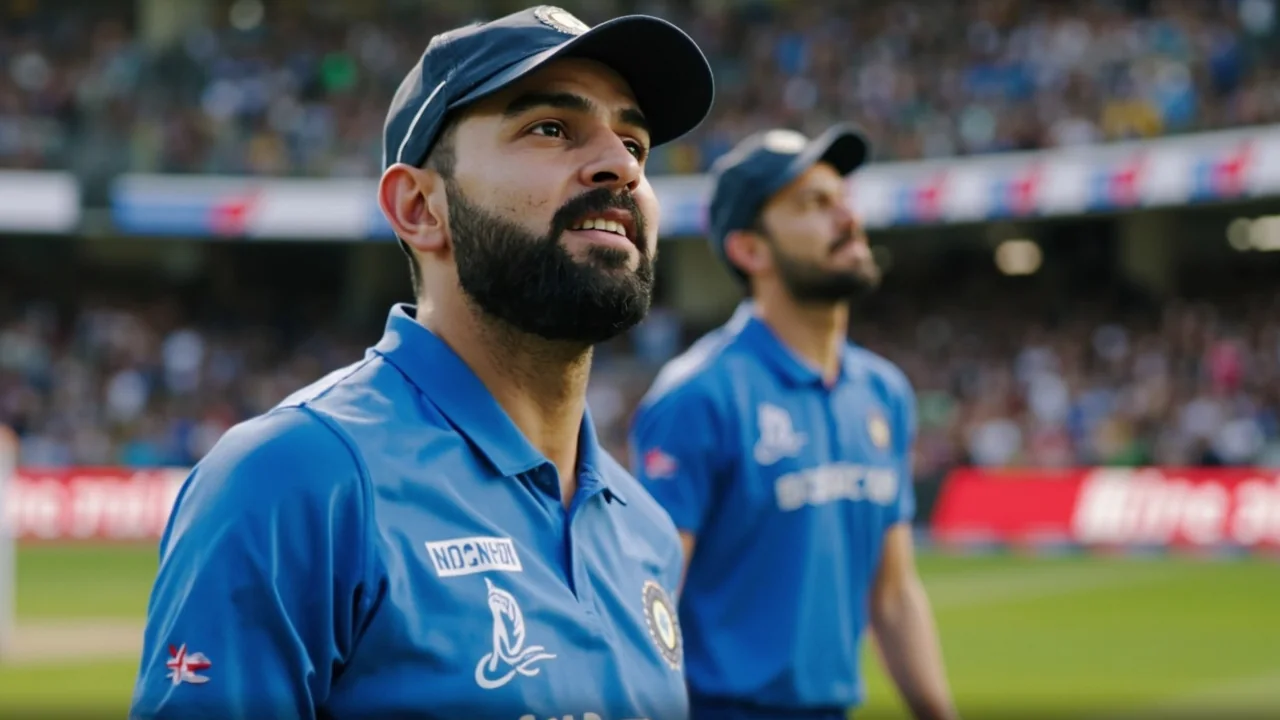
India's predicted XI was published as Vaibhav Sooryavanshi, Abhishek Sharma, Ishan Kishan, Shreyas Iyer, Tilak Varma, Shivam Dube, Axar Patel, Harshit Rana, Arshdeep Singh, Prince Yadav and Varun Chakravarthy. The change from the first-XI structure that was washed out at 189 was the addition of Suryansh Shedge as the squad replacement for Nitish Kumar Reddy, who had been ruled out with a left quadriceps injury. The selection logic kept the left-hand top-order cluster, the right-hand middle-order anchors, and a four-pronged bowling mix of two frontline seamers, an all-rounder who could bowl four, and a wrist-spinner.
Two halves of the order drove the captaincy calculus. The top four — Sooryavanshi, Sharma, Kishan and Iyer — offered left-right balance with Iyer as the anchor after his fifty in the abandoned opener. Abhishek Sharma's powerplay role from the first match was preserved; Sooryavanshi opened with him and was expected to take the first strike against the new ball. Tilak Varma at five gave the innings a second left-hander against any spin match-up England would have planned.
The bowling questions sat with Harshit Rana and Prince Yadav as the new-ball pair, with Shivam Dube and Axar Patel offering middle-overs variety. Arshdeep Singh was the death-overs seamer, and Varun Chakravarthy the wrist-spin option on a surface that the preview's pitch assessment said would offer bounce and early swing. The pick priority for fantasy at the time was Sooryavanshi for the powerplay, Iyer for the anchor role, and Arshdeep for wicket chances in the death overs if India bowled second.
England's predicted XI — the Bethell-Banton middle order
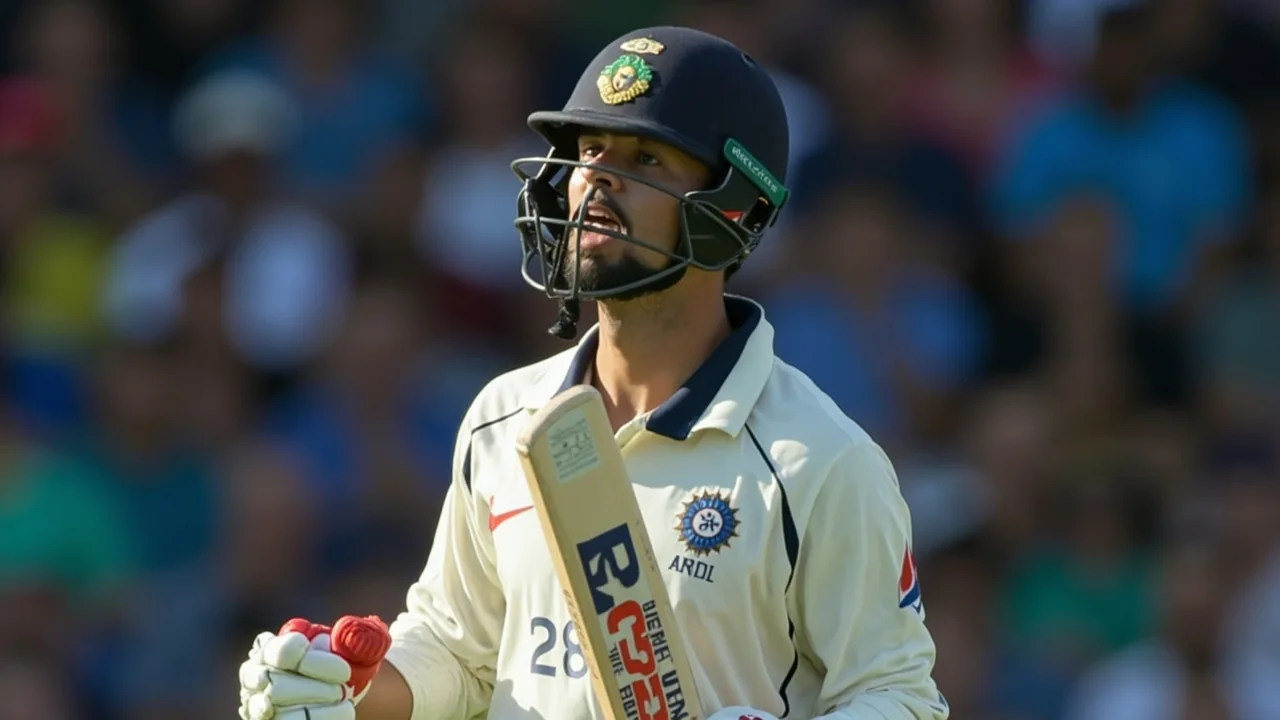
England's predicted XI was published as Phil Salt, Jos Buttler, Will Jacks, Harry Brook, Jacob Bethell, Tom Banton, Sam Curran, Liam Dawson, Jofra Archer, Adil Rashid and Saqib Mahmood. The shape was a familiar white-ball template: Salt and Buttler at the top, Brook and Bethell as the right-hand middle-order engine, Banton as the keeper-batter finisher, Curran and Dawson as the seam-bowling all-rounders, and a pace-spin combination of Archer and Rashid, with Mahmood as the second specialist seamer.
The Bethell-Banton middle order was the tactical novelty. With both batters capable of keeping wicket, England could have rotated the gloves if Buttler needed a breather; the published prediction kept Buttler as the keeper, but the bench offered cover. Sam Curran's role at seven gave the innings a left-handed pace-bowling anchor and a fourth seamer option, while Liam Dawson's left-arm spin gave the captain a match-up against the right-hand heavy India order. The bowling reading was clear: Archer for the new ball and the death, Rashid for the middle overs, and Dawson as the spin-bowling complement.
For fantasy construction, the captaincy case for England sat with Buttler or Brook on a batting-first script, or Archer on a bowling-first script. Salt's powerplay role remained the most repeatable fantasy pick; his boundary rate in the powerplay through the season made him the top-order batter most likely to convert a fast start into 30+ before the field spread. The desk's note at the time was that England's win probability depended on whether Archer could make the new ball talk in the first three overs; if the overheads stayed thick, that script tilted further in England's favour.
Old Trafford pitch — batting-friendly with bounce and early swing
The preview's pitch assessment described Old Trafford as favourable for batting while still offering bounce and early swing to fast bowlers. The desk's source note observed that the previous three T20Is at the venue had been won by the side bowling first — a useful, if small, sample that suggested the toss was likely to influence the captain's decision more than usual.
Three pitch behaviours drove the read. First, the carry. Old Trafford's square boundaries are short enough for clean hitting, but the pace off the surface has been variable in recent summers, and batters have had to wait for the ball rather than hit through the line early. Second, the bounce. Genuine fast bowlers have extracted enough to challenge the top of off, which made the short-ball a planned weapon for Archer and the India seamers. Third, the early swing. The Manchester climate and the proximity of morning overcast meant a new ball in the first three overs could move laterally even on a flat track.
The captaincy implication sat on top of those behaviours. A captain who chose to bowl first was buying the new ball, accepting that the chase would come on a used surface under lights, and trusting his middle order to handle any early reverse-swing in the second innings. A captain who chose to bat first was buying the batting conditions, accepting a wet ball later, and trusting his death bowlers to hold the chase. Both scripts were credible; the desk's captaincy shortlist reflected that.
Manchester weather — overcast, 20°C, 25% rain chance
The forecast filed with the preview put a 25 percent chance of match-day precipitation over Manchester, with temperatures around 20 degrees Celsius and mostly overcast skies. None of those numbers by themselves were decisive; together they tilted the read toward seam-friendly conditions in the first innings and a slightly tackier surface in the second if the cloud cover held.
The relevant threshold for any reduction was the ground's DLS cut-off. While the preview did not publish a specific cut-off time for this fixture, the desk noted that any delay past the evening's first overs could reduce the match and change which roles became fantasy-relevant. A five-over chase rewards a power-hitter at three or four; a full 20-over contest rewards the seam-bowling wicket-taker who can take two in the powerplay. The preview was built around the full-match assumption, with a contingency note that the captain pick could move if rain intervened before the toss.
Two weather behaviours specifically changed the fantasy read. Dew after the innings break was the first. Even with a 25 percent rain chance, the evening humidity in Manchester in early July is high enough that the ball can stay wet for the second-innings bowlers; the captain who bowled second was buying grip for his spinners but losing control of the new ball for his seamers. The second was the cloud cover. Overcast skies at the start of the match compress the powerplay run rate and give the seamers who bowl first a longer wicket-taking window. Both effects favoured the team that bowled first; the desk's probability split of 75-25 already accounted for that asymmetry.
Head-to-head — India 18, England 12, one wash-out from 31
The preview's head-to-head section said India had won 18 of 31 T20Is against England, that England had won 12, and that one match had been washed out. The desk noted that the record stretched across both home and away fixtures and that the venue-specific ledger at Old Trafford was smaller than the overall number. Still, the headline figure was enough to support the captaincy shortlist. India's win record against England in the format had been built on a specific kind of squad: a left-hand top-order cluster, an anchor in the middle, and wrist-spin options in the middle overs.
Two structural factors in the head-to-head record carried weight. First, the role of the powerplay. India's wins in the format have been disproportionately powered by powerplay starts above 50, and the predicted XI put three left-handers in the top four to attack the new ball from different angles. Second, the middle-overs squeeze. India's wrist-spinners have historically taken wickets in clusters in overs 7 to 14 against right-hand heavy England orders, and Varun Chakravarthy's role in the predicted XI was a continuation of that pattern.
England's path to an upset, by contrast, sat with two specific scripts. The first was a new-ball wicket from Archer that turned the powerplay into a 40- or 50-run start rather than a 60-plus one; the second was a Buttler or Brook innings that converted the middle overs into 8-an-over scoring without losing wickets. Both scripts were reasonable, and the desk's probability split of 75-25 left room for either. The head-to-head record was the floor of the analysis, not the ceiling.
Match prediction — India 75, England 25
The preview made India its predicted winner and assigned India a 75 percent win probability against England's 25 percent. The reasoning sat on three legs: the head-to-head record, the venue-pitch assessment, and the squad balance. The 75 percent figure was not a tip in the betting sense; it was the desk's editorial read on which side was more likely to convert a toss decision and a powerplay start into a win.
For fantasy construction, the prediction carried two implications. The first was captain selection. A predicted winner's top order is the safest captaincy set on a full-match script; if the captain pick was the wicket-taking seamer instead of the top-order batter, the captaincy route moved from batting certainty to bowling upside. The second was the vice-captain role. The vice-captain should have covered the script where India did not win — in this preview's case, an Archer wicket or a Brook fifty. A pre-toss build that locked the captain and vice-captain on the same script was the most common avoidable mistake.
The captaincy matrix the desk filed with the preview had three rows. If India batted first and posted 180+, the captain was the top-order anchor (Iyer). If India chased and the dew came in, the captain was the powerplay batter (Sooryavanshi or Abhishek Sharma). If the surface slowed and spin dominated, the captain was Varun Chakravarthy on a three-wicket spell. The vice-captain sat with Archer on the bowling-first script and with Brook on the batting-first upset. Holding a swap ready for the actual toss was the desk's final note. The full set of predicted XIs and captaincy matrices across this season's fixtures is kept on the predictions desk for reference.
Questions readers ask about this preview
Where was the second T20I scheduled?
At Emirates Old Trafford in Manchester, on Saturday, 4 July 2026, with a 7:00 PM IST start listed in the source preview.
Why was Nitish Kumar Reddy not in the predicted XI?
He was ruled out of the T20I series with a left quadriceps injury and replaced in the squad by Suryansh Shedge.
What was the head-to-head record at the time of the preview?
India had won 18 of 31 T20Is against England, England had won 12, and one had been washed out.
How was Old Trafford expected to play?
Favourable for batting with bounce and early swing for fast bowlers. The previous three T20Is there had been won by the side bowling first.
What was Manchester's match-day forecast?
Mostly overcast, around 20 degrees Celsius, with a 25 percent chance of precipitation.
Who did the preview pick as the likely winner?
India, with a 75 percent win probability against England's 25 percent.
Was this preview filed as a retrospective?
Yes. The article reconstructs a 3 July 2026 pre-match preview that was originally filed ahead of the 4 July fixture. The desk's analysis is preserved as it stood at publication.
What this preview is useful for now
Filed as a retrospective on 30 July 2026, the preview's lasting value is the method rather than the call. The pitch reading, the squad change, the weather note, and the captaincy matrix show how a single fixture's pre-match file is built when the venue offers carry and the forecast offers cloud cover. The head-to-head record, the win probability split, and the predicted XIs together illustrate how a T20I prediction can be both specific and reversible when the toss intervenes.
For readers building a working T20I forecast method, the Old Trafford preview is a clean case study because the venue reads were consistent, the squad news was confirmed, and the toss decision genuinely mattered. The desk's published probability split of 75-25 can be compared against the actual result once the match is played, and the predicted XIs can be checked against the official team sheet. That post-match review is how future previews become more accurate and how the captaincy shortlist becomes sharper.
The next England T20I in this window, and the next fixture on the predictions desk, will be filed with the same structure: predicted XI, venue read, weather note, head-to-head, captaincy matrix, and a single published win probability. The desk's job is to make uncertainty visible and to give the reader a clear post-toss revision path. This retrospective keeps that standard on the record.