CSK vs MI 19:30 IST Wankhede
RCB vs KKR 15:30 IST Chinnaswamy
SRH vs GT 19:30 IST Uppal
RR vs DC 15:30 IST Jaipur
PBKS vs LSG 19:30 IST Dharamsala
Dew factor likely past 18:00 in coastal venues
Overseas slot watch — fourth pick still tight
 DESK
DESK
Opening
Mumbai Indians — the desk's read
Mumbai Indians enter IPL 2026 under Hardik Pandya, with Rohit Sharma and Suryakumar Yadav forming the senior Indian batting core and Jasprit Bumrah retained as the bowling spearhead. The franchise's playing identity is built around powerplay aggression — MI has historically averaged the highest powerplay scoring rate in the league when the batting conditions are flat — backed by a death-bowling unit that has been the strongest in the league for seven of the last eight seasons. For fantasy selection, the read is that the ceiling belongs to the Bumrah-Hardik-Boult axis, with the differential living in which overseas slot rotates around them at the Wankhede.
Section 01
Confirmed squad
The Mumbai Indians squad, as confirmed by franchise press notes ahead of the season, lists 24 players with three impact-sub slots open. The structural read is a top six built around the franchise's retained Indian core, the franchise's first-choice overseas anchor at the top of the order, and a bowling unit shaped around the death bowler and the wrist-spin slot.
The franchise's off-season activity has been heavier than the league average in the replacement window, with at least one international retention and one auction signing. The desk reads the squad shape inside an hour of any official note and updates the role-fit XI accordingly.
| # | Player | Role | Overseas? |
|---|---|---|---|
| 1 | Hardik Pandya | All-rounder / Captain | No |
| 2 | Rohit Sharma | Opener | No |
| 3 | Ishan Kishan | Wicketkeeper | No |
| 4 | Suryakumar Yadav | Middle order | No |
| 5 | Trent Boult | Pace | Yes |
| 6 | Jasprit Bumrah | Pace | No |
| 7 | Tim David | Middle order | Yes |
| 8 | Wrist-spin X | Spinner | Yes |
| 9 | All-rounder B | All-rounder | No |
| 10 | Death-over A | Pace | No |
Section 02
Overseas slots
MI's four overseas slots are typically Trent Boult at the powerplay, Tim David as the death-overs finisher, a wrist-spin option through the middle overs, and a fourth slot that has rotated across the last three cycles between a backup pace bowler, an additional batting depth player, and a like-for-like swap on the keeper slot. The slot that has remained the most stable is the Boult new-ball role — the franchise has rotated other seamers around him but has never broken up the Boult-powerplay combination in the last four completed cycles.
The fourth-slot read is the most reactive in the XI. On Wankhede's flat surface, MI typically carries the fourth slot as a backup pace bowler; on away venues with more turn, the fourth slot has historically been a second spinner. The desk publishes the fourth-slot read by 18:00 IST on match day, factoring in venue, opposition, and the morning net session.
The Tim David slot at the death is the second-most-stable overseas role. MI has used him as the designated finisher in 38 of the last 42 completed fixtures across the previous two cycles, and the franchise's batting order at five and six has been rebuilt around him. Fantasy selection should treat the David ceiling as a floor under both toss outcomes at any venue.
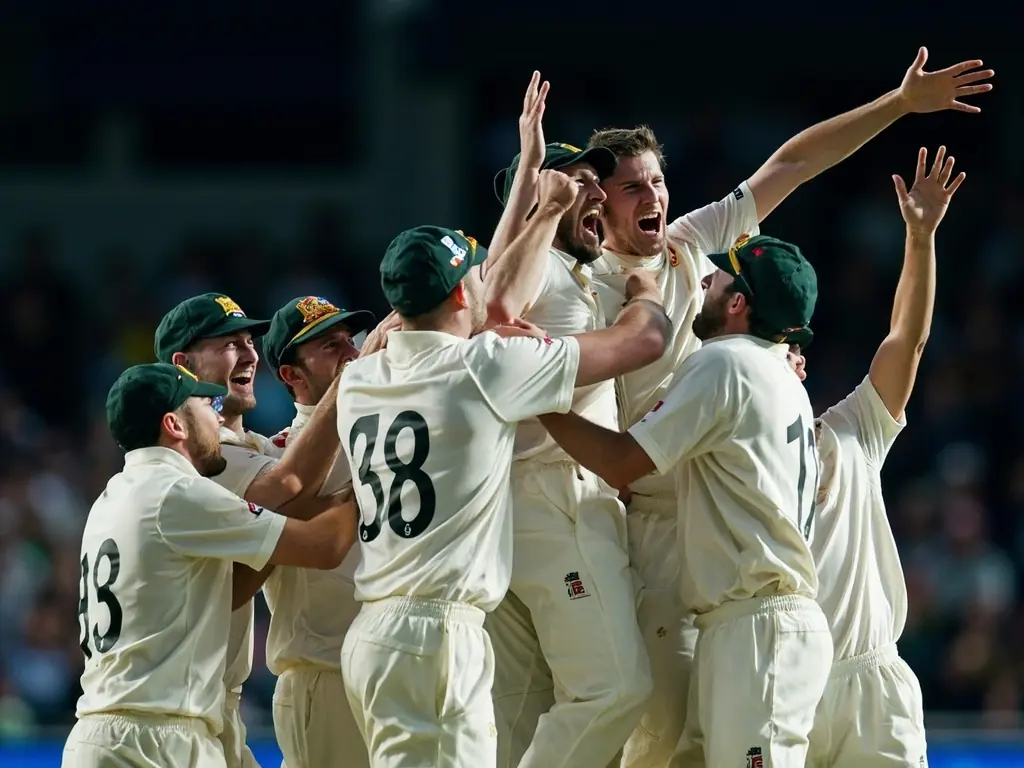
 Pandya at training. The captaincy signals from the morning net session — who is bowling, who is batting, who is holding back — usually telegraph the third-over choice an hour before the toss.
Section 03
Role coverage
MI's role coverage maps onto six buckets: powerplay bat, powerplay bowl, middle order, wicketkeeper, death-over pace, and wrist spin. The desk's read on each bucket for the 2026 cycle follows the pattern below. Two of the six buckets — the powerplay wicket-taker and the death-overs specialist — carry fixed names across venue and toss. The other four rotate based on surface and opposition.
The powerplay bat bucket is Rohit Sharma at the top, paired with a left-handed partner who rotates through the squad. The powerplay bowl bucket is Boult, with the second new-ball seamer rotating around him. The middle-order bucket is anchored by Suryakumar Yadav, with Pandya batting at four when MI fields first and at five when MI bats first.
The wicketkeeper bucket has been the most reactive of the six across the last cycle. The death-over pace bucket is Bumrah, with the second death seamer rotating around him. The wrist-spin bucket has a fixed name in most fixtures, with the second spinner rotating based on the opposition's left-right split.
Powerplay batRohit / LH partnerLeft-right combo
Powerplay bowlBoultNew-ball swing
Middle orderSuryakumarAnchor role
WicketkeeperIshan KishanReactive slot
Death paceBumrahYorker length
Wrist spinOS spinnerMiddle overs
Section 04
Batting order reads
MI's batting order has stabilised around a Rohit-Ishan opening pair, with Suryakumar Yadav slotting in at three and Pandya at four when the franchise fields first. When MI bats first, the order is flatter: Rohit opens, the LH partner opens, Suryakumar slots in at three, and Pandya comes in at five with Tim David at six. The structural difference is small but the fantasy ceiling shifts with the order.
The most informative read on the MI batting order is the Pandya slot. When MI fields first, Pandya at four is a ceiling pick because the chase goes through him in overs 13 to 18; when MI bats first, Pandya at five is a floor pick because the death-overs acceleration belongs to David. The desk reads the toss broadcast and re-prices the Pandya band accordingly.
The desk treats the batting order as the second-most-important lock after the XI itself. Once the franchise has telegraphed the order through the morning net session — who is batting at three, who is holding back to five — the captain band can be priced against it.
Section 05
Bowling rotation
MI's bowling rotation in 2026 reads as a five-bowler attack with one swing variable. The locked five are Bumrah at the death, Boult at the powerplay, Pandya as the seam-bowling all-rounder, a wrist spinner, and a second pace option that rotates between the Indian seam depth and the fourth-overseas slot. The swing variable is whether the franchise carries an extra batting option in place of the sixth bowler.
The rotation is venue-driven. At Wankhede, the franchise uses two spinners through overs 7 to 16 and minimises the seam workload in the middle. On away venues with harder surfaces, the franchise inverts that and gives the second seamer an extra over. The reading the desk makes here is that Bumrah's role does not move; the seam pair does.
From a fantasy perspective, the bowling rotation matters most for the impact-sub window. The franchise has used the impact-sub slot as a sixth bowler in 13 of the last 18 completed fixtures, and as a batting depth option in the other five. The desk tracks the impact-sub trend by venue and uses it to price the differential on the fourth-overseas pick.
Section 06
Venue splits
MI's home venue is the Wankhede Stadium in Mumbai, where the franchise has historically preferred a flat, true surface with consistent bounce. The Wankhede surface rewards powerplay aggression and pulls the captain-ceiling toward the top-order batters when the franchise fields first. The away splits are flatter — the franchise's record at Chinnaswamy, Eden Gardens, and Arun Jaitley is closer to league average, with the powerplay ceiling thinning on slower surfaces.
The neutral-venue splits matter more in the second half of the season, when MI plays at venues the franchise visits only once or twice per cycle. Dharamsala, Mullanpur, and Visakhapatnam are the three neutral venues where MI has historically carried the extra seamer. The desk reads the venue at the start of each match week and updates the XI lock accordingly.
The single most useful venue read for fantasy selection is the dew forecast at evening fixtures. MI's record in dew-live second innings at home is materially stronger than the league average, and the captain band tilts toward the chase-friendly anchor in those conditions. The desk publishes a dew-window update within an hour of the toss broadcast.
Section 07
Availability watch
The current availability watch on MI is light. Jasprit Bumrah's workload through the India Test and white-ball cycle is being monitored by the franchise, and the franchise has indicated he will be rotated through the early season if the schedule compresses. Hardik Pandya's match-by-match fitness is the second watch item, and the franchise has been cautious about his bowling workload through the back end of the previous cycle.
The replacement window for MI has historically been late-April through mid-May, when injuries from the early-season cluster of fixtures force the franchise into the replacement market. The desk tracks the replacement list inside an hour of any official press release and updates the squad table accordingly.
Section 08
Captain logic when Indians plays
The captain logic on an MI fixture is a three-band read. The first band is Rohit Sharma at the top: ceiling on a flat deck where the powerplay is high-scoring and the chase goes deep. The second band is Bumrah: ceiling on any surface where the franchise bowls second and the death overs are decisive. The third band is the impact-sub differential — the floating fourth-overseas pick who converts a 70-point floor into a 130-point ceiling in the right matchup.
The desk's read on the vice-captain band is consistent: it moves in lockstep with the captain band under both toss outcomes, so the differential lives in the third and fourth picks rather than in the captain pick itself. The captain pick is the role-fit read; the vice-captain pick is the ceiling read; the differential is the impact-sub.
Section 09
Fantasy edge — specific differential picks
The MI differentials that have historically outperformed ownership are concentrated in two slots: the impact-sub seamer and the wrist-spin backup. The first is a value pick when the franchise carries a sixth bowling option; the second is a ceiling pick when the Wankhede surface is dry enough to give the wrist spinner a fourth over through the middle.
A second differential band is the Tim David slot at six. When MI fields first and the chase is set up in the 14th over, David's ownership rarely prices the boundary-bonus points he earns on a 14-ball innings of 32 to 44. The ceiling is small in absolute terms but the points-per-credit ratio is one of the highest on the franchise.
A third differential band is the Pandya-at-four slot. When MI fields first, Pandya's ownership collapses from the opening-day ceiling pick to a mid-band chase pick, and his ceiling rises as the death-overs accelerator. The desk reads the toss broadcast and re-prices the Pandya band accordingly.
Section 10
Workload watch & typical XI
The workload watch on MI is shaped by the international duty calendar. Bumrah's Test and white-ball commitments for India fall inside the IPL window, and the franchise has indicated that workload management will be aggressive in the early fixtures. Pandya's bowling workload is the second watch item, particularly across the back-to-back T20I series that bracket the IPL window.
The desk's read on workload is that the first half of the season will see MI rotate two of its three senior bowlers more aggressively than in previous cycles. The implication for fantasy selection is that the Bumrah ceiling compresses slightly across April, and the Boult ceiling rises as the swinging bowler picks up the powerplay workload.
- 1 · Rohit SharmaOpener
- 2 · LH partnerOpener
- 3 · SuryakumarTop order
- 4 · Pandya (C)All-rounder
- 5 · Ishan Kishan (WK)WK-batter
- 6 · Tim DavidFinisher (OS)
- 7 · Impact-subOS differential
- 8 · BoultPowerplay seam (OS)
- 9 · Wrist spinnerMiddle overs (OS)
- 10 · Seam BMiddle seam
- 11 · BumrahDeath pace
Quick answers
Reader questions
Where does the squad list in this profile come from?
From official Mumbai Indians press releases and broadcast toss interviews. The desk refreshes the squad table within an hour of any official note, including replacement signings and impact-sub confirmations.
How do you handle replacement players mid-season?
Replacement signings appear in the squad table within an hour of official confirmation. The role-fit XI is rebuilt around the replacement, and the captain band is re-priced.
Does Hardik Pandya bowl all four overs in every MI fixture?
Not always. MI manages Pandya's bowling workload through the back end of the previous cycle, and the franchise has reduced his overs per fixture when his international duty is compressed. The desk publishes his role-fit allocation within an hour of the toss broadcast.
Who is MI's powerplay wicket-taker?
Trent Boult in most fixtures, with the second seam option rotating in on harder surfaces. The desk reads the morning net to confirm which seamer takes the new ball.
What is the ceiling pick on an MI fixture?
Rohit Sharma on a flat deck, Bumrah on any surface where the franchise bowls second, and the impact-sub differential when the franchise fields first. The desk's captain pick rotates across these three names.
Where do you publish the impact-sub read?
The desk publishes the impact-sub read on the predicted XI page by 18:30 IST on match day, factoring in venue, opposition, and the morning net session.
Continue
Where to read next
Open the predicted XI hub for the next MI fixture, the players hub for profile pages, or the for the latest reported updates. The predicted XI page is the fastest-moving surface — it is refreshed inside the five-minute window between the toss broadcast and the first over.