 DESK
DESK
What the desk does and does not cover on wallets and KYC
Wallets and KYC are features of the fantasy platform the reader uses, not features of this editorial desk. iplfantasyteam.com does not host a wallet, does not perform KYC and does not store identity documents. The point of this page is to help a reader understand what a wallet usually does, what KYC usually requires, and what to verify before completing either. The desk's role is editorial; the wallet and the KYC check are the platform's actions.
Where the reader has a wallet or KYC question, the platform's own page is the right source. The platform's wallet page describes the deposit methods, the withdrawal conditions, the KYC requirements and the dispute path. The platform's help-centre usually also has a separate FAQ for the most common wallet and KYC questions. The reader who reads the platform's own page has done the most useful reading the desk can recommend.
What a wallet does on a fantasy platform
A wallet on a fantasy platform is the account's balance: the money available to enter contests, the bonus credits, the unutilised deposits, the in-flight withdrawals and any other amount the platform tracks on the reader's behalf. The wallet is also where contest winnings land. The reader who treats the wallet as a single number has misread the wallet; the reader who treats the wallet as a set of distinct balances is reading it correctly.
Wallet balances are also subject to platform-specific rules. A bonus credit is usually subject to rollover; an unutilised deposit may be held for a defined period; an in-flight withdrawal may be paused while a KYC re-check is performed. The platform's wallet page is the right source for the rules that apply to each kind of balance. The desk cannot track every platform's wallet rules in real time; the platform is the source.
KYC in plain language
KYC stands for "Know Your Customer". It is the process by which a platform confirms the identity of a reader before allowing certain actions — usually deposits above a defined threshold, withdrawals above a defined threshold or the use of a payment method. KYC is also the platform's way of meeting anti-money-laundering and counter-terrorism-financing rules that apply to most payment-handling platforms in India.
The KYC check usually requires one or more of the following: a government-issued identity document (Aadhaar, PAN, passport, voter ID, driving licence), a proof of address (utility bill, bank statement, rental agreement), a live selfie or a short video verification. The exact list depends on the platform, the deposit amount and the payment method. The platform's KYC page is the source for the current list.

What documents are usually requested and why
Most platforms request a government-issued photo identity document and a proof of address. The photo identity document is for identity; the proof of address is for residency. Some platforms also request a PAN for tax-related reporting; some platforms request a cancelled cheque or a bank statement to verify the payment method. The exact list depends on the platform and the deposit amount; the platform's KYC page is the source.
The reader who knows what to expect can prepare the documents before the KYC request arrives. A reader who has the documents ready at onboarding has done the most useful thing the platform cannot do on the reader's behalf. The desk's role is not to list the documents — the platform does that — but to remind the reader that KYC is a routine part of the platform's flow, not an unusual request the reader should be suspicious of.
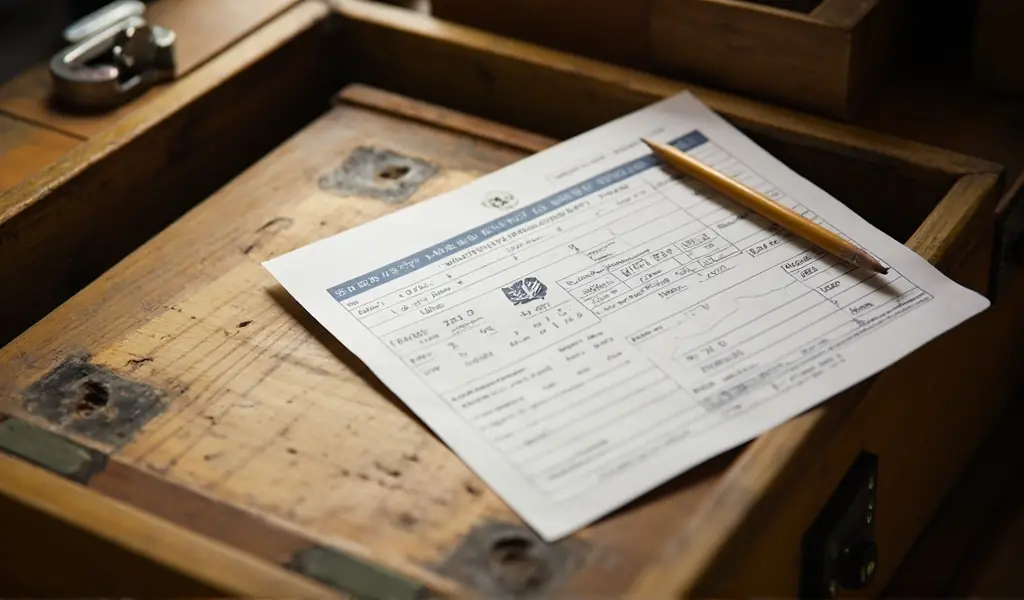
| Document type | What it verifies | Notes |
|---|---|---|
| Government photo ID | Identity verification. | PAN, Aadhaar, passport, voter ID, driving licence; the platform chooses which. |
| Proof of address | Residency verification. | Utility bill, bank statement, rental agreement; recent and in the reader's name. |
| PAN | Tax reporting for winnings. | Mandatory on most Indian platforms for paid contests. |
| Live selfie or video | Biometric match against the photo ID. | Short, on-platform; not over a chat attachment. |
| Bank statement or cancelled cheque | Payment-method verification. | Used for large deposits or first withdrawals. |
Where KYC should happen — and where it should not
KYC should happen on the platform's own page, behind the platform's own login. The reader should be logged in, on the platform's primary domain, with the platform's certificate in the URL bar. A KYC request that arrives by chat, by SMS, by Telegram or by email is not a platform request; it is a request from someone pretending to be the platform. The reader who pauses on an off-platform KYC request has done the most useful check.
Where the platform's KYC flow includes a live selfie or a video verification, the verification should happen inside the platform's app or web flow. The verification should not be sent to a third-party chat application, an email attachment or a Telegram bot. The reader who uploads a selfie to a chat attachment has given the selfie to the chat, not to the platform; the chat is not the platform's data processor.
How long KYC takes and what to expect
Most platforms complete KYC within minutes for a routine submission. A submission that requires manual review may take longer — sometimes 24 to 72 hours, sometimes longer during a busy period. The platform's KYC page usually describes the timeframe; the reader who knows the timeframe can decide whether to wait, escalate or take the issue elsewhere. A KYC review that has been pending for longer than the published timeframe is a review the reader can ask about.
Where KYC is pending, the reader's account is usually restricted in defined ways: withdrawals may be paused, large deposits may be held and certain contest formats may not be available. The restrictions are usually described on the platform's KYC page. The reader who reads the page before triggering KYC has done the most useful reading. The reader who triggers KYC and then asks about the restrictions has done the reading in the wrong order.
What to do if KYC is rejected
Where KYC is rejected, the platform usually gives a reason. The reason might be a blurry photograph, a document that has expired, a name mismatch between the document and the registered account or a residency detail that does not match. The reader who reads the reason carefully can usually tell what to fix. The fix is usually a re-upload of the same document type, not a new kind of document.
Where the reason is unclear, the next step is the platform's customer-care channel. The reader should include the rejection reason, the date of the rejection, the registered email address and a description of the document submitted. The reader who keeps a copy of the rejected submission has the basis for a complaint if the rejection was a mistake. A rejection without a clear reason is a rejection the reader can ask about.

Wallet security basics
A wallet is a balance the platform holds for the reader; the wallet is also a target for attackers. The reader who has set a strong, unique password on the platform account and has enabled two-factor authentication has done the two most useful things the platform allows to protect the wallet. The reader who reuses the platform password on another service is one credential leak away from a chain of compromises.
The reader should also review the wallet's transaction history at intervals. The intervals are the reader's choice; the desk's recommendation is that the review is more frequent than the platform's defaults. A transaction the reader does not recognise is a transaction the reader can flag early; a transaction the reader notices at the end of the month is a transaction the platform has already processed. Early flagging is cheaper than late flagging.
What the desk can and cannot do
The desk can describe what most platforms do at KYC, list the documents the reader may be asked for and remind the reader that KYC should happen on the platform's own page. The desk cannot see the reader's wallet, cannot perform KYC on the reader's behalf and cannot speak to the platform about the reader's case. The desk's role is editorial; the wallet and the KYC check are the platform's actions.
Where the reader's wallet or KYC has a problem the platform cannot resolve, the next step is the platform's grievance officer and, if needed, the relevant data-protection authority. The desk does not provide legal advice and does not name a specific forum; the desk notes that these routes exist and that the reader should pick the one that matches the nature of the complaint. The desk's role is to point the reader at the right source; the rest is the reader's.
Reader questions
Does this desk host a wallet?
What is KYC?
What documents are usually requested?
Where should KYC happen?
How long does KYC take?
What should I do if KYC is rejected?
Continue with care
Complete KYC on the platform's own page once and keep the documents ready for the next time. The few minutes of preparation are the cheapest part of the wallet and KYC flow.